THE ELGIN SETTLEMENT – BUXTON MISSION
Planting the Seed
When William King, the Elgin Settlement’s founder, arrived in Raleigh Township in the early winter of 1849, he found “camped in his barn, waiting for him on the Elgin reserve, … Isaac Riley, Riley’s wife, and their two children.” More than sixty-five years before DeWitty, Nebraska was established, the seeds for Nebraska’s “largest and most permanent colony” were planted in Canada.
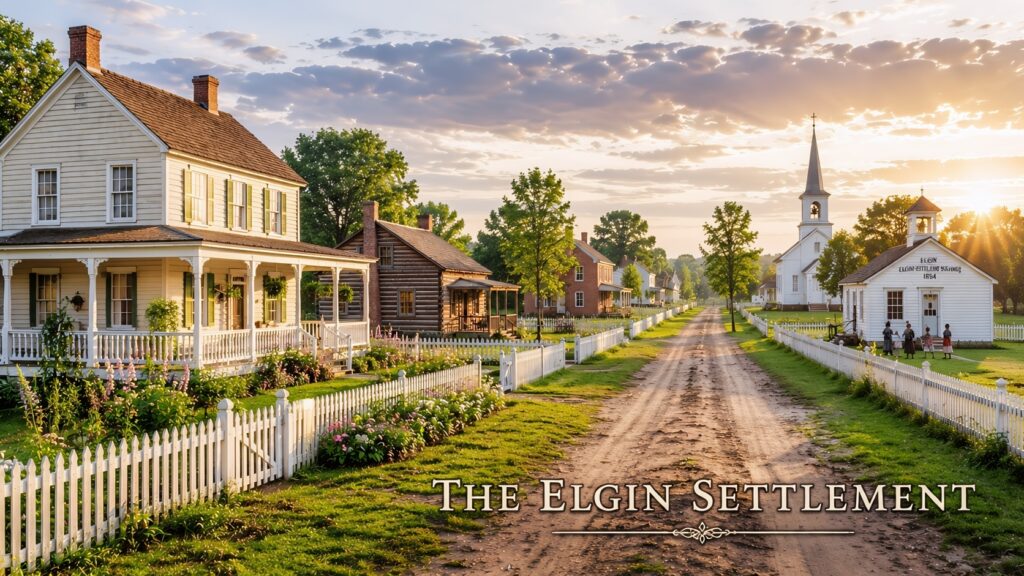
The Elgin Settlement, located about fifty miles east of the Detroit-Windsor border, was a planned community for black people escaping enslavement. It was one of several endpoints of the Canadian Underground Railroad.
The community was based on land ownership and the “development of churches, schools, and social institutions.” Rules for the settlement required residents to purchase their land, pay for their possessions, and further stipulated that
· Liquor was not allowed on the settlement
· Land could only be sold to blacks and had to remain in their hands for ten years
· Land had to be purchased, not leased
· Settlers had to build houses at least 24 X 18 X 12 feet with a porch across the front
· Houses were required to be 33 feet from the road, with a picket fence and flower garden in front
Isaac Riley was joined in the Elgin Settlement by others who would eventually form the nucleus of the DeWitty community. Guilds, Hatter, Rann, Robinson, Walker, Emanuel, and others made their way to the Buxton Mission. Samuel Hayden, Charles Meehan’s stepfather, is first recorded in a Settlement land document in 1853, three years before Charles was born.
I have found no evidence of a planned departure from the Elgin Settlement for Nebraska, but by 1880, at least seven family groups had relocated there. By the early 1900s, several families followed, first to Overton in Dawson County and then to Cherry County, where DeWitty was established in 1915.
Much has been written about the Elgin Settlement. To learn more, follow any of the links provided here.
SOURCES
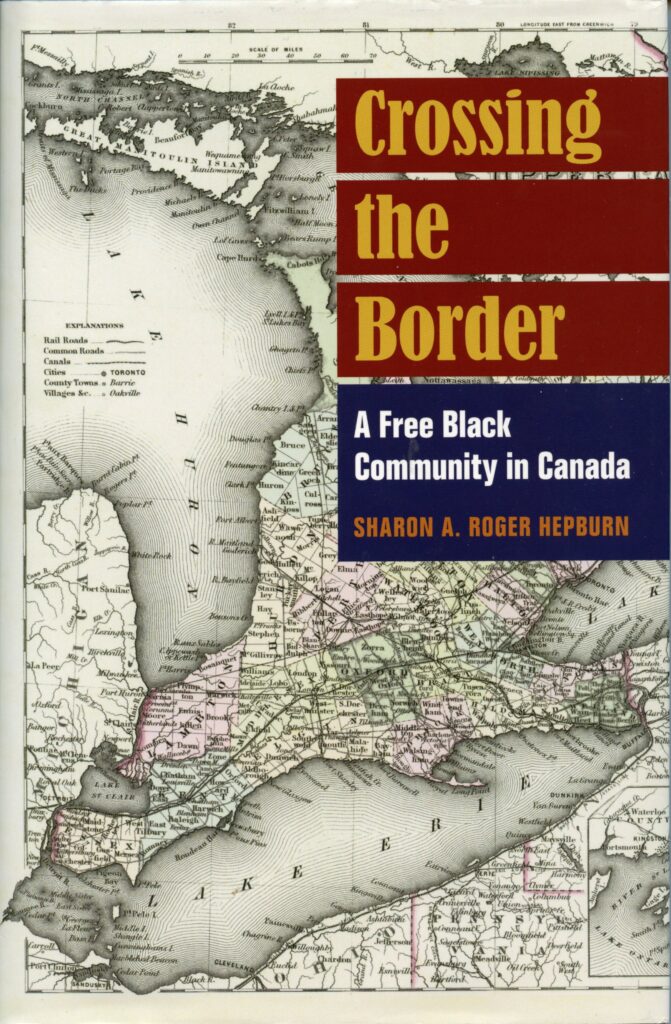
Crossing the Border, A Free Black Community in Canada, Sharon A. Roger Hepburn, University of Illinois Press, 2007.
The Canadian Encyclopedia, Elgin Settlement, Shannon Prince, March 22, 2021.
The Buxton Museum, buxtonmuseum.com, history, rules.
Follow the link below to learn more.
From the Press
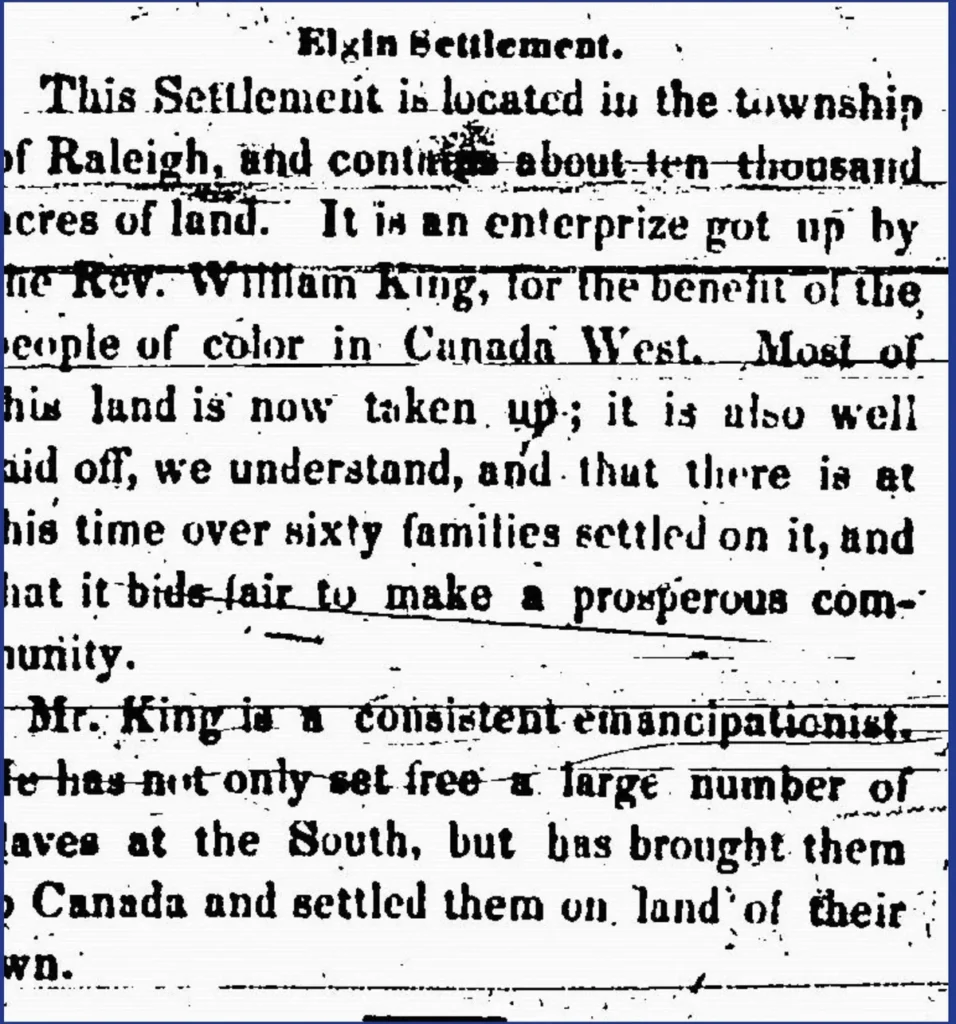
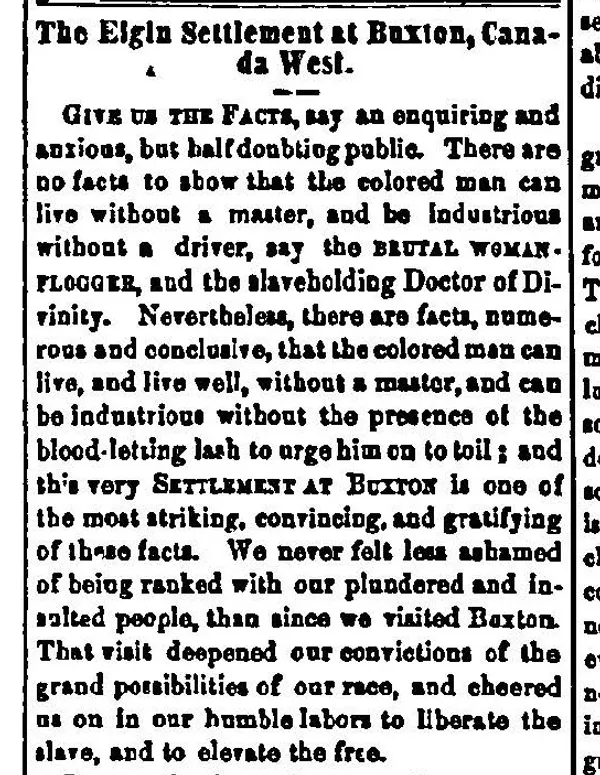
The articles below are from The Voice of the Fugitive, December 2, 1851, located at OurOntario.ca (left side), and from Frederick Douglass’ Paper, Rochester, NY, August 25, 1854, located at GenealogyBank (right side).

Buxton National Historic Site and Museum
The Buxton National Historical Site and Museum consists of several buildings and a museum. The site preserves and celebrates the lives of its earliest settlers.
Click the Buxton Museum link above to learn more.
Homecoming
Since 1924, descendants of the Elgin Settlement gather on Labor Day weekend for Homecoming. Visitors celebrate their heritage through conferences, music, sports and a variety of activities.
Other Resources
Underground Railroad – Explained at the Buxton School
The Ontario black history landmark you never knew about
https://www.tvo.org/article/the-ontario-black-history-landmark-you-never-knew-about
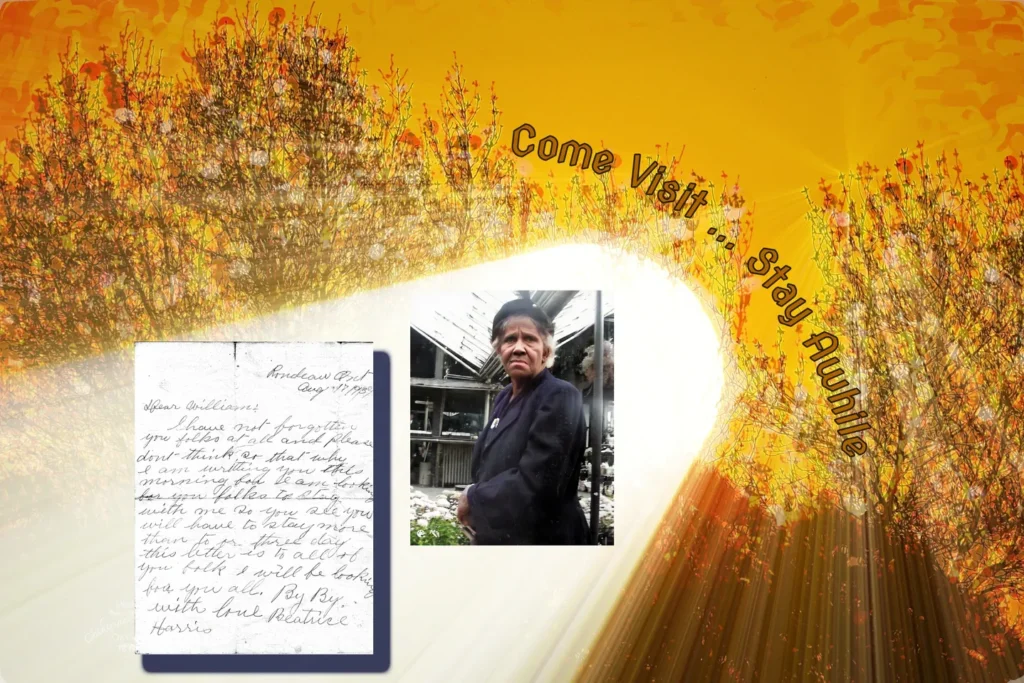
“I am looking for you folks to stay with me…”
Beatrice Smith Harris, daughter of Addison Smith and Mary Anderson, was Hester Freeman’s first cousin. Bea and Hester Freeeman Meehan were first cousins through their mothers. After Hester’s 1923 death, she maintained a close relationship with Hester’s family.
On August 17, 1939, she wrote to Bill Meehan in Maywood, Illinois, asking whether he and Aunt Gertie’s family would visit. The occasion was undoubtedly HOMECOMING on Labor Day weekend. The letter reads:
Dear William:
I have not forgotten you folks at all and please dont think so that why I am writing you this morning for I am looking for you folks to stay with me so you see you will have to stay more than to or three day this letter is to all of you folk I will be looking for you all.
By By, with love Beatrice Harris
WHAT HAPPENS IN BUXTON SHOULD STAY IN BUXTON
In her book Crossing the Border, A Free Black Community in Canada, Sharon A. Roger Hepburn said there were “several” biracial couples in Buxton by 1861. Charles and Hester Meehan grew up and married in Buxton, a place with a high tolerance for mixed marriages.
Hepburn contrasts Buxton to Chatham when, in 1860, Reverend Thomas Pinckney, a black man, married Elizabeth King, a white woman. The reaction of Chatham’s white citizens was so negative Rev. Pinckney and his wife were forced to resign from their missionary positions and flee the area.
Chatham was a mere fifteen miles southeast of Buxton. In 1857, Rev. R.R. Disney dubbed it “the colored man’s Paris.” Though many white residents welcomed black people fleeing enslavement, their line in the sand appears to have been “amalgamation.” Marriages accepted in Buxton were scorned in Chatham.
Canada did not ban Interracial marriages, but everyone did not fully embrace them. When Charles and Hester married in 1875, white attitudes had not changed. By 1884, Charles worked as a stave maker. Area directories for that period suggest he may have worked at a factory in Chatham. One morning during that year, Charles was not well. It was payday, so he asked Hester to go to his job to retrieve his pay. Unfortunately for Hester, the trip turned violent when someone accosted her. Family lore does not reference injuries she may have sustained.
Whatever happened to Hester was race-based and serious enough that the Meehans were determined to leave their Canadian homeland and follow their lifelong friends and neighbors to Nebraska, where interracial marriage was against the law and punishable by a fine, time in prison, or both.
I often wonder if the paycheck incident gave birth to an audacious plan to hide in plain sight among the community of Canadians as they settled in their Nebraska home.